How to Compress Images Without Losing Quality
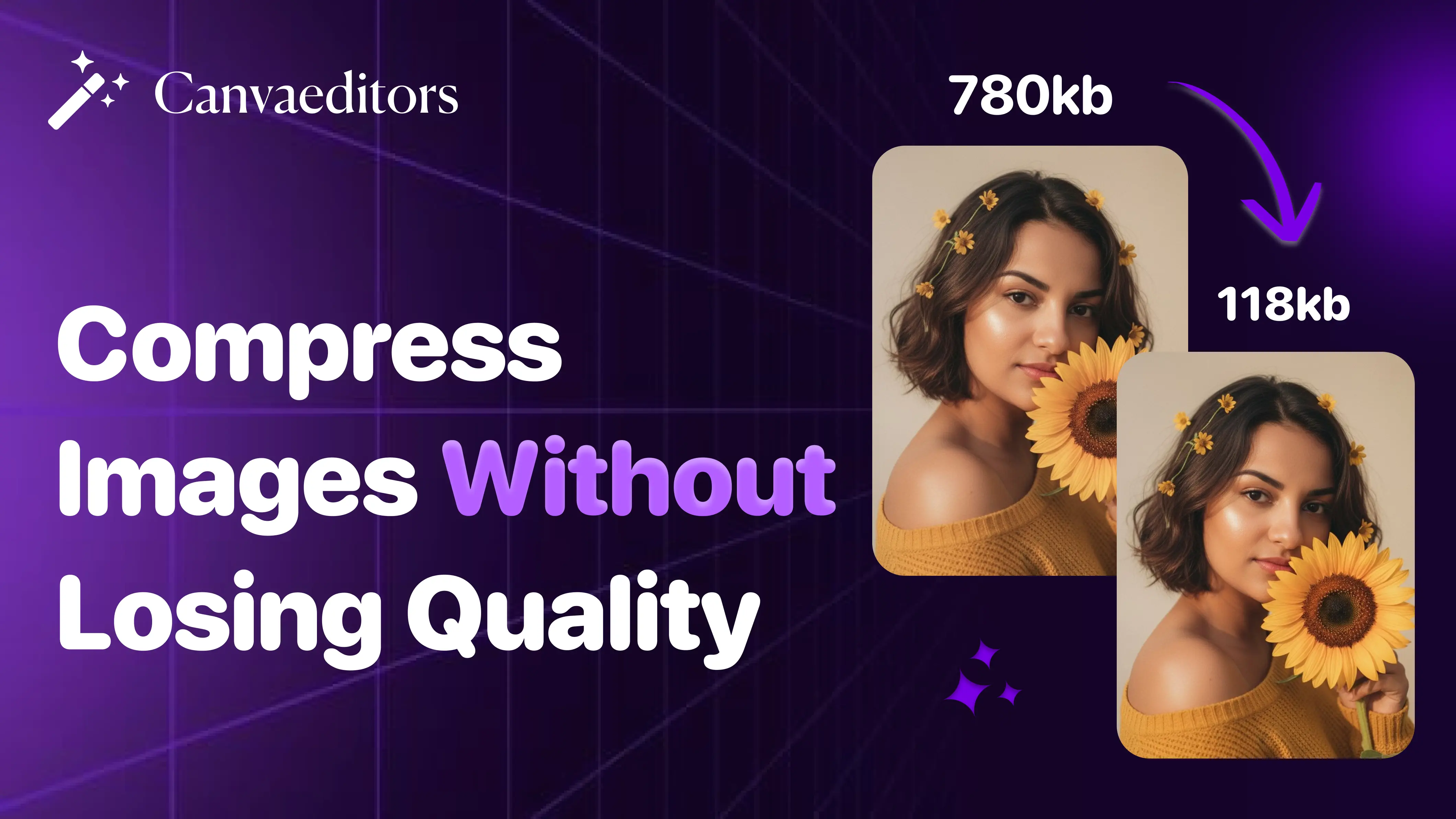
Images play an important part in websites, blogs, and online content. They make pages more engaging and help step-by-step explain ideas visually. However, large image files can slow down a website and affect the overall user experience. When visitors open a page with high-quality images, it may take longer to load, which can make people leave the website quickly.
This is why many website people try to compress images without losing quality. Image compression eases the file size while compressing the image clear and visually inviting. When done correctly, compressing images help website loaf faster and perform better.
In this guide, you will learn simple and practical ways to compress images without losing quality while keeping your website fast and professional.
Why Image Compression Is Important
Large images are one of the main reasons websites become slow. A single high-resolution photo can sometimes be some megabytes in size. When multiple large images are used on one page, the loading speed becomes slower.
Compressing images helps ease file size without damaging the visual quality of the image.
Benefits of image compression:
- Websites load faster
- Visitors have a better experience
- Saves storage space
- Websites work better
- Web pages look cleaner and are easier to use
When images are optimized, websites are easier to navigate and more fun to explore.
Understanding Image Compression
Image compression is the process of reducing the size of an image file. The goal is to make the file smaller while keeping the image clear and usable.
There are two main types of image compression.
Lossy Compression
Lossy compression removes some extra image data to ease the file size. This method creates smaller files but may slightly affect the quality of work if used too much.
Most websites use average lossy compression to maintain a good balance between size and quality.
Lossless Compression
Lossless compression eases the file size without removing important image data. The image quality remains almost similar to the original version.
This method is useful when image clarity is very important, such as for logos or graphics.
Both methods help compress images without losing quality when applied carefully.
Choose the Right Image Format
Selecting the correct image format is an important step before compressing images. Different formats work better for different types of images.
JPEG Format
JPEG images are commonly used for photographs and detailed pictures. They give good compression while keeping images clear.
PNG Format
PNG works well for graphics, icons, and logos. It is also useful for images that need clear backgrounds.
WebP Format
WebP is a new image format made for the internet. It creates smaller files than JPEG and PNG, but even now keeps good quality.
Choosing the right format helps make images smaller without losing quality and makes websites work better.
Resize Images Before Uploading
A common error is uploading images that are too large. For example, a blog image should be 1200 pixels wide, but many people upload images that are 4000 pixels wide. This extra size makes the file large and slows down the page.
Resizing images before uploading can visually ease the file size.
Simple resizing tips
- Make sure your images fit your website design.
- Do not use very large images.
- Optimize images for better viewing on screens.
Resize images first to make them easier to compress without losing quality.
Use Online Image Compression Tools
Online image compression tools make the process simple and fast. These tools ease image file sizes while trying to maintain good visual quality.
Online tools are helpful because they:
- Quickly reduce image size
- Keep image quality
- Support various image types
- Work in a web browser
Many creators and bloggers like online tools because they do not need to be installed. Websites like canvaeditors.com offer tools and resources to help users edit, improve, and manage images for websites and online content.
Using good tools can save time and help keep images looking professional.
Balance Image Size and Image Quality
When you make image files smaller, you need to keep a good mix of size and quality. If you make the file too small, the image might lose important details.
If it’s not small enough, the file will be large and slow down loading. Finding the right mix helps your images remain clear and clean on websites.
Tips to maintain image clarity
- Preview the compressed image before using it
- Avoid very high compression settings
- Keep text and important prompts
- Test different compression image levels
A balanced method helps you compress images without losing quality while keeping the website visually inviting.
Avoid Common Image Compression Errors
Many new users make basic mistakes when they try to make image files smaller. Avoiding these mistakes helps keep images clear and makes websites work better.
Common Mistakes to Avoid:
- Compressing the same image multiple times
- Uploading very large images
- Using the highest compression settings
- Not picking the correct image format
By avoiding these errors, you can keep images clear and help your website be easy and simple.
Why Bloggers and Creators Should Compress Images
Images help tell stories and make content more interesting for the archive. But it an images are too large, they can make the page slow and impair the user's experience.
For bloggers and creators, making images smaller has some benefits:
- Faster blog loading speed
- Better user experience
- Improved website performance
- More efficient use of storage space
Smaller images help people enjoy content without waiting for slow-loading pages.
Conclusion
Learning how to compress images without losing quality is an important skill for anyone managing a website, blog, or online platform. Proper image compression eases file sizes, improves page loading speed, and creates a better experience for visitors.
Choose the right image format, resize images before uploading, use good compression tools, and find a balance between size and quality. This will keep your images clear and help your website work better.
If you often use images for blogs or websites, the right tools can make it easier. You can find helpful information on >canvaeditors.com to optimize images and manage visual content while keeping it looking professional.