Helpful Guides for Online Tools & Digital Work
Read simple and practical guides on image tools, video compression, social media tools, and everyday online utilities. Learn how to use tools better, save time, and improve your digital workflow.
Read simple and practical guides on image tools, video compression, social media tools, and everyday online utilities. Learn how to use tools better, save time, and improve your digital workflow.
In today's fast-moving digital world, almost everyone deals with online content in some way. Whether you are a student with complex tasks, a creator posting on social media, or a small business person managing online content, digital tasks have become part of daily life. These tasks many time add editing images, resizing videos, writing captions, converting files, and documents.
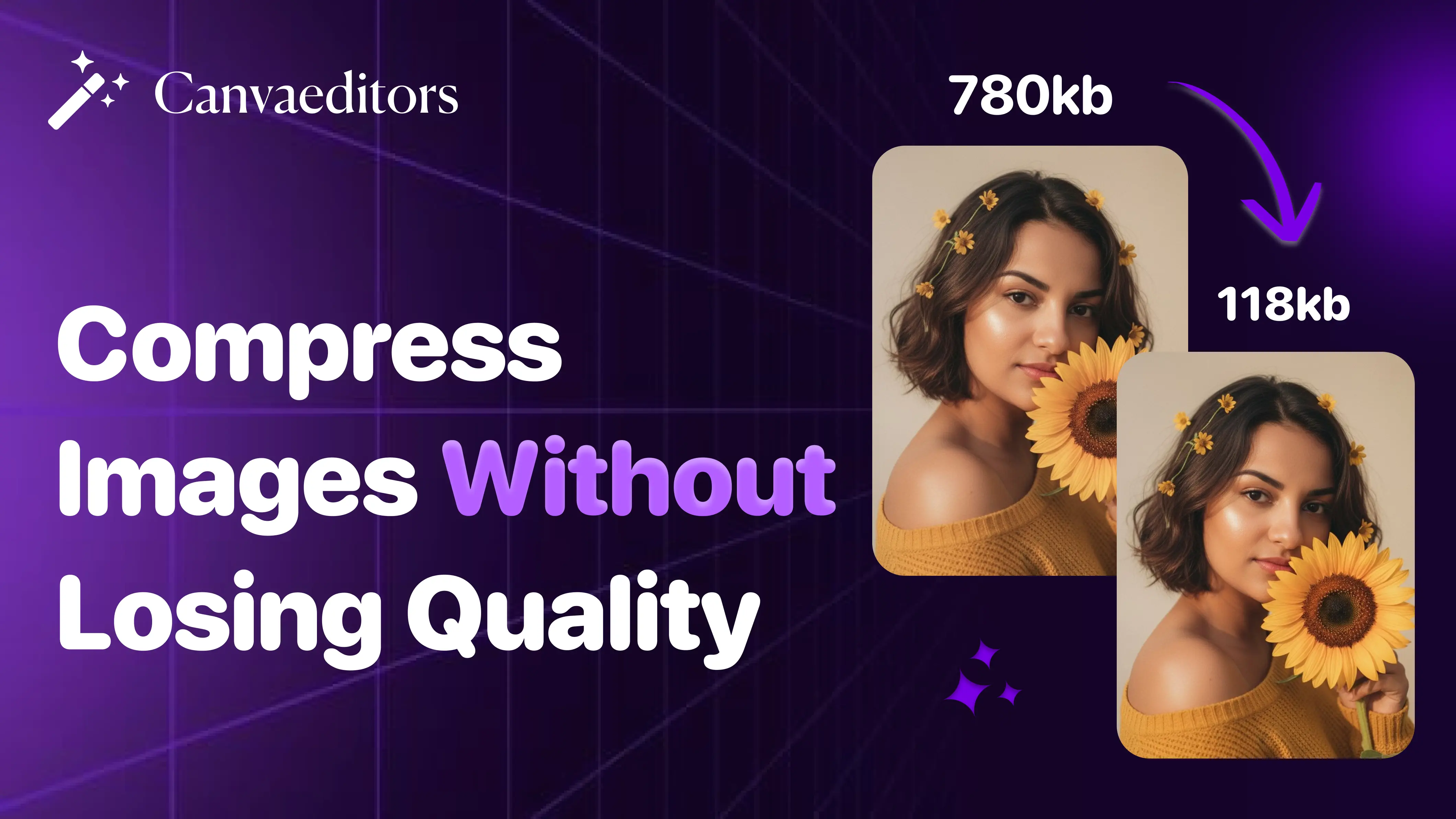
Images play an important part in websites, blogs, and online content. They make pages more engaging and help step-by-step explain ideas visually. However, large image files can slow down a website and affect the overall user experience. When visitors open a page with high-quality images, it may take longer to load, which can make people leave the website quickly.

Creating content online is easier today than it was in the past. Bloggers, designers, marketers, and video creators share content daily on social media platforms. However, edit videos and organize social media posts regularly.
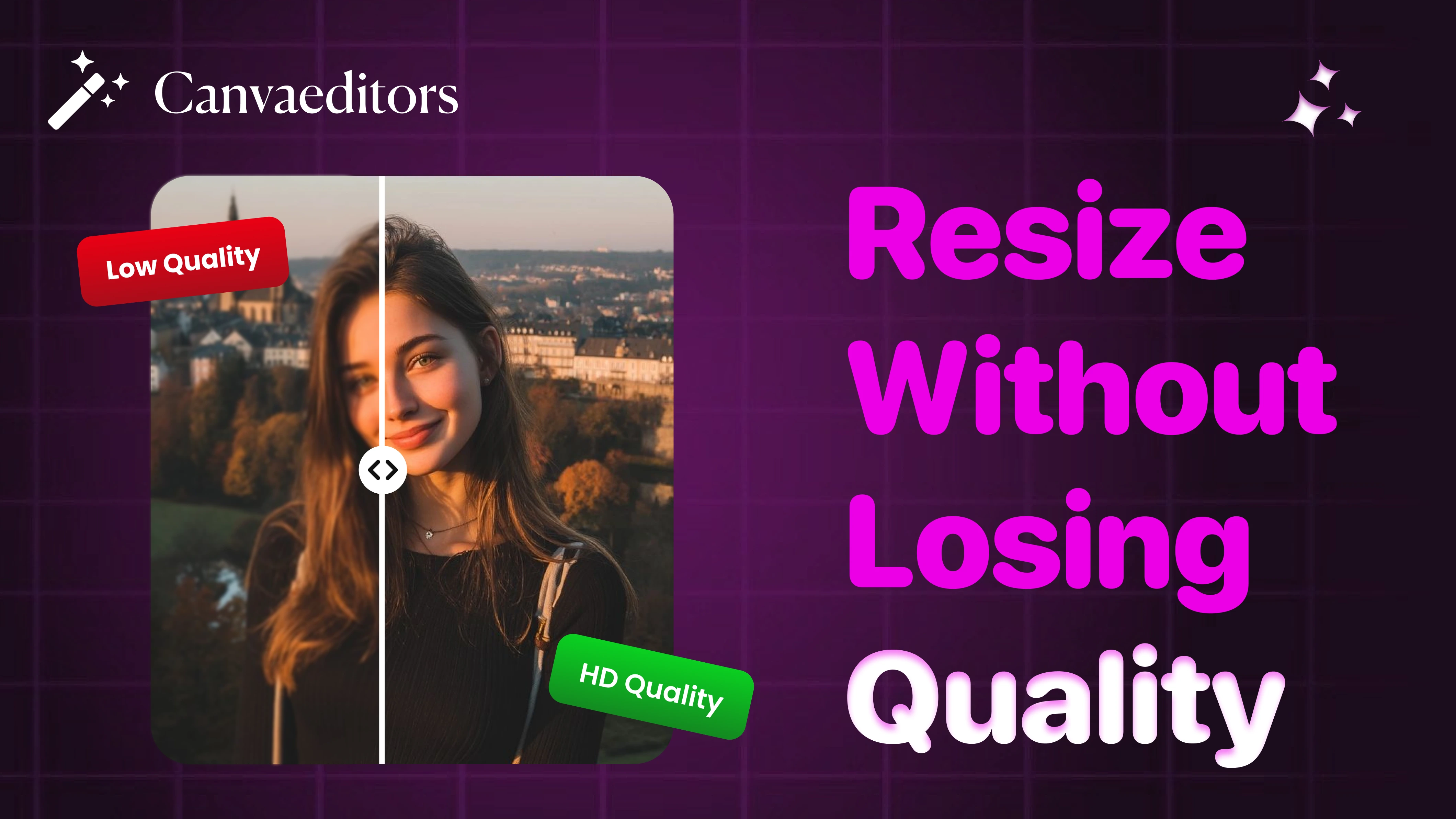
Images are an important part of websites, social media, blogs, and online content. However, a large image can slow down a website, take up more storage space, and be difficult to upload or share. That is why resizing images is very important. But many people face one common problem — when they resize their images, the proper quality becomes blurred.
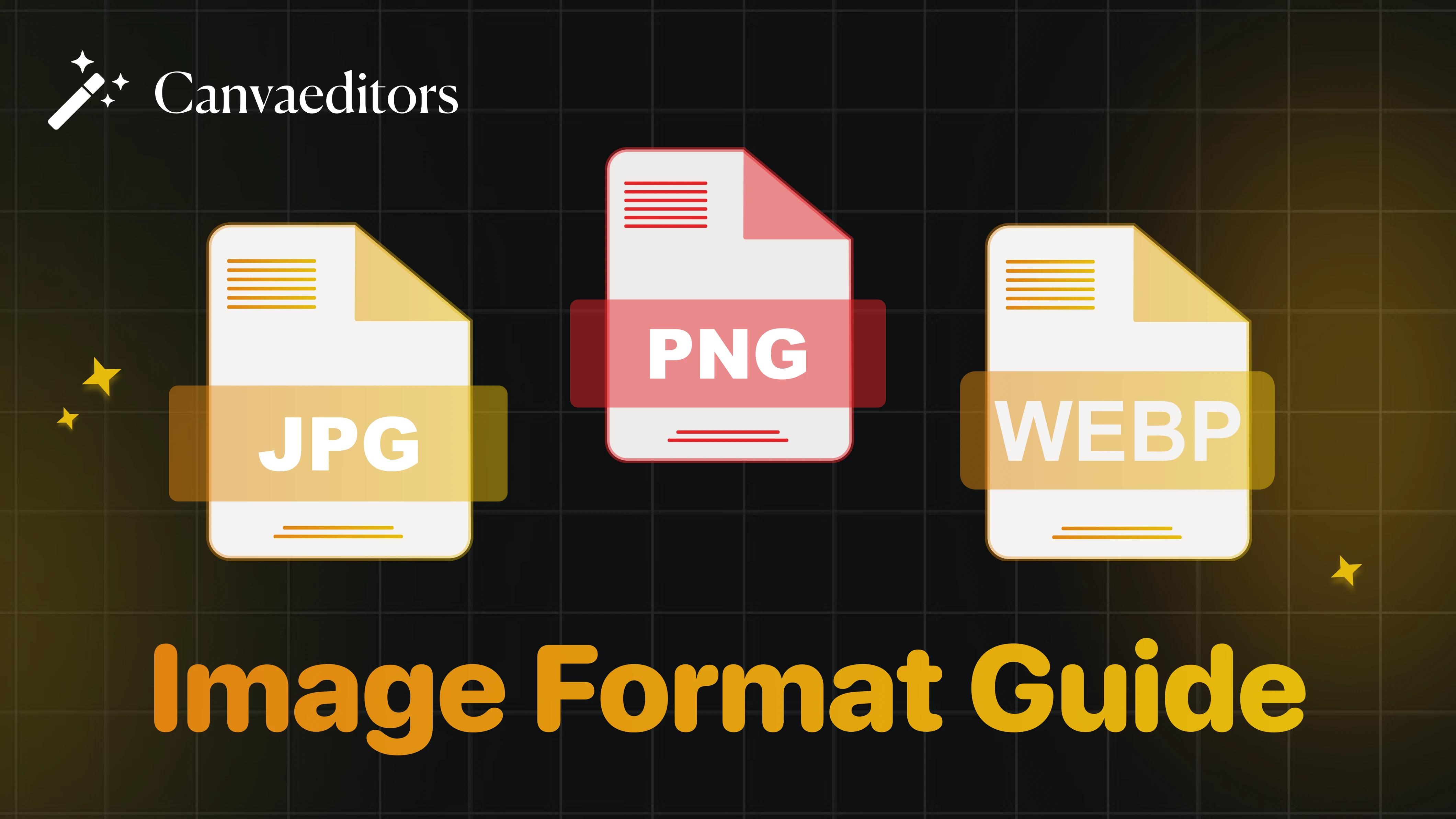
Have you ever uploaded an image to your website and noticed it loads slowly or looks slightly blurry? That’s not just bad luck — it’s usually because of the image format you chose.
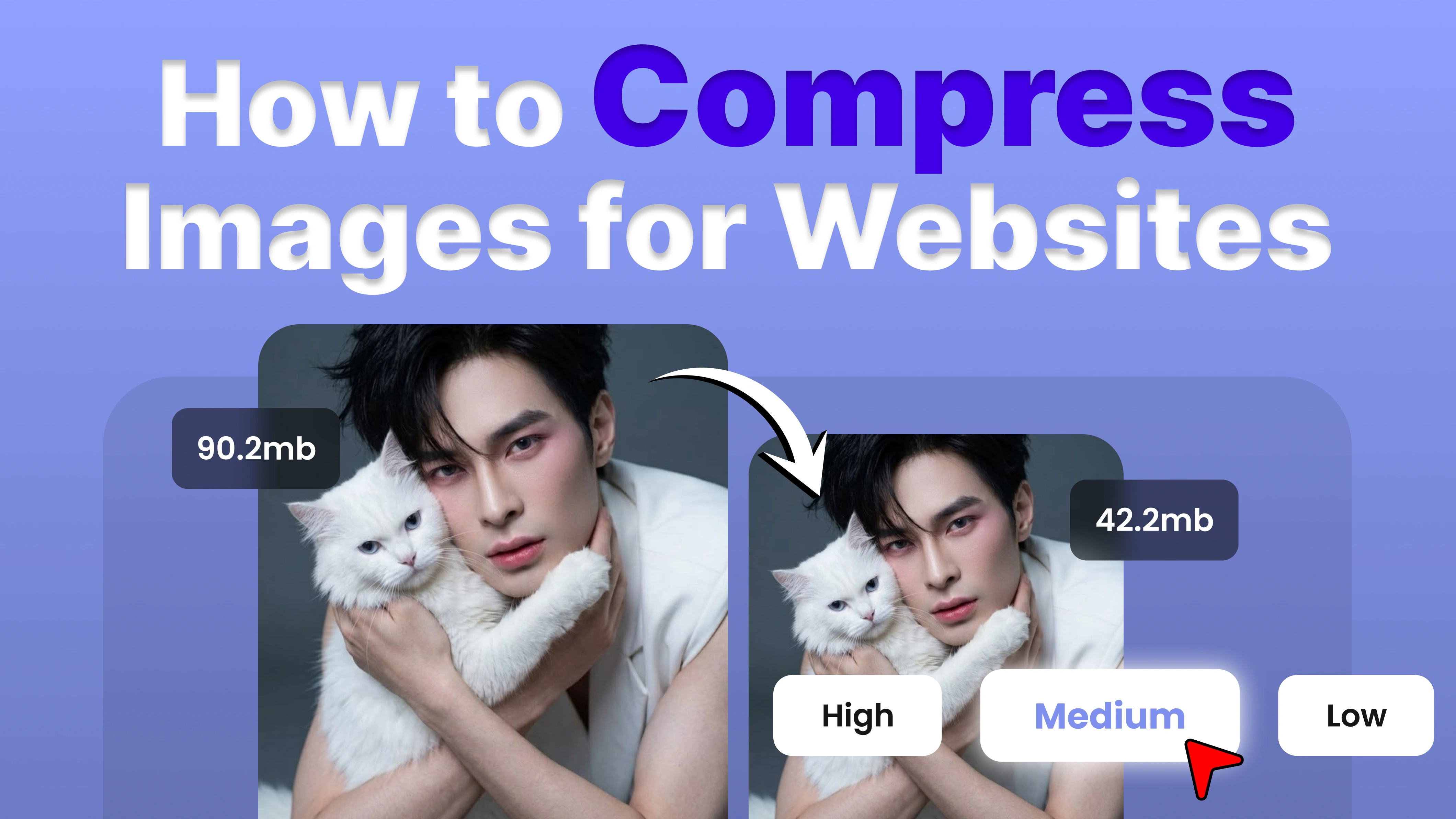
Images make a website more attractive, engaging, and educational. However, large image files can slow down a website, improve loading time, and ease user experience. Slow websites can also affect search engine rankings. That is why image compression is very important for every website, people, bloggers, designers, and online businesses.
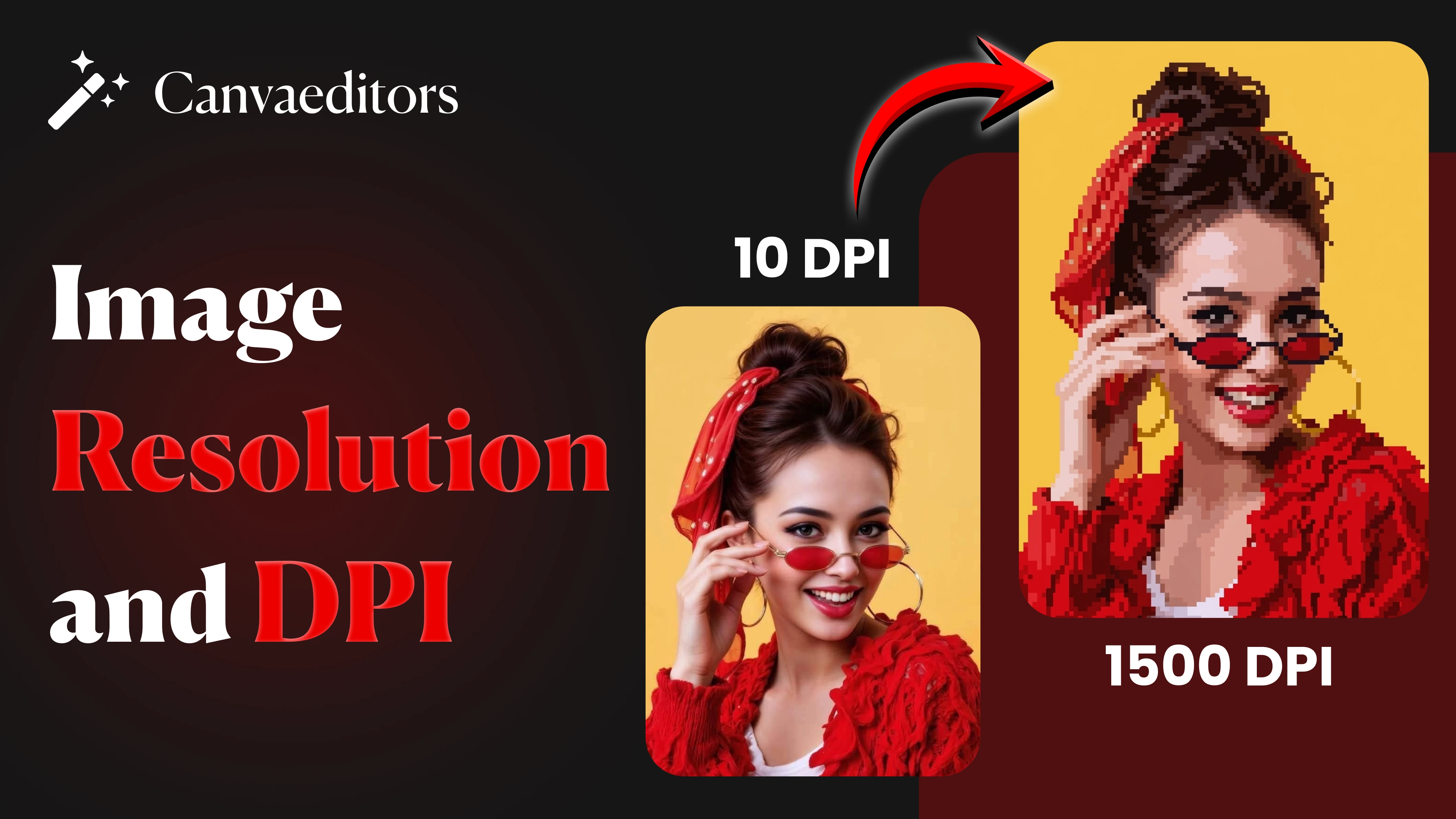
Have you ever had an experience where your screen displayed a good-quality image, but the printed copy looked blurred? Or have you put an image on your site that did not look as sharp as you'd expected? Common issues such as this are typically caused by a mistake in image, resolution, and DPI.
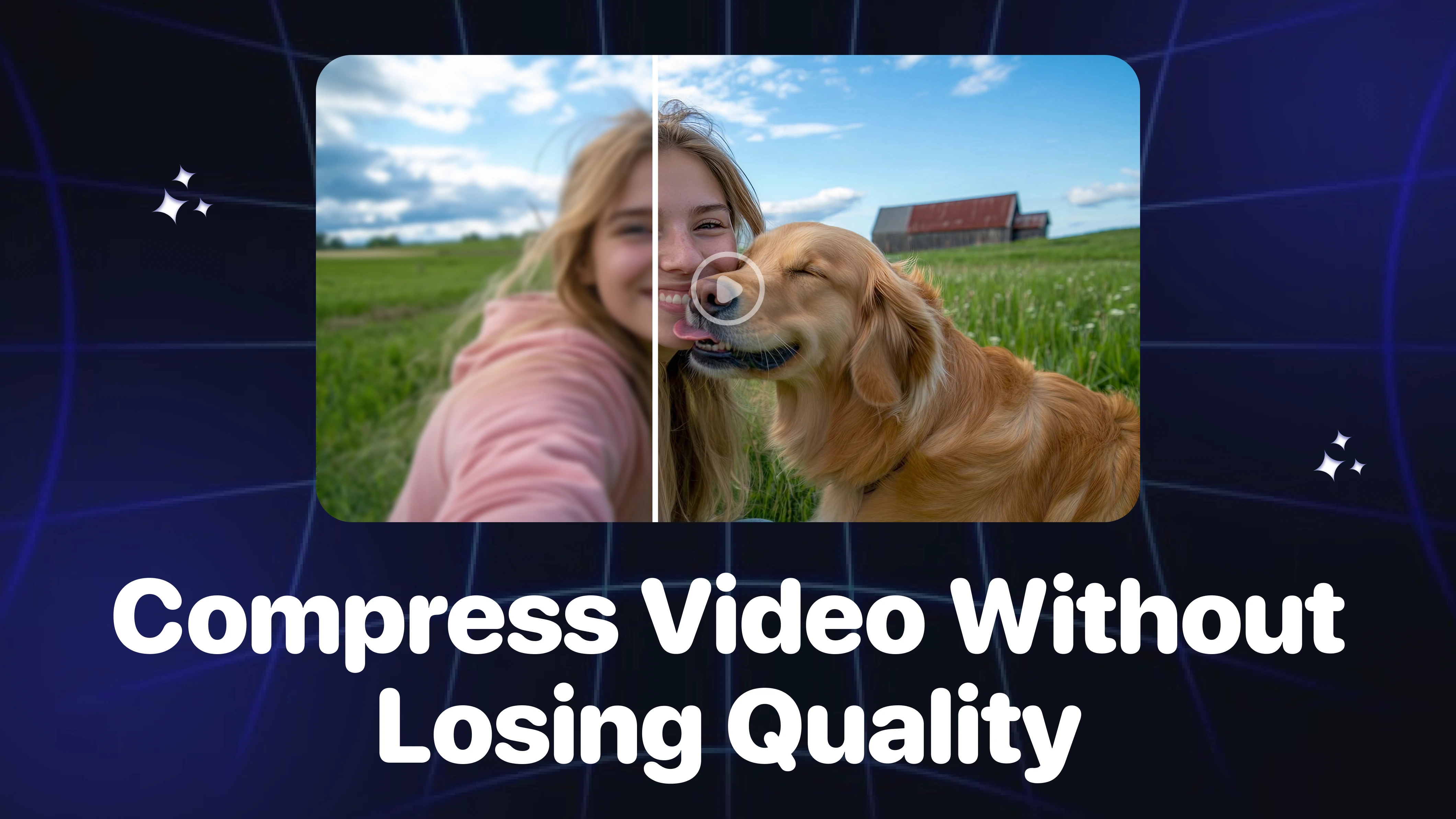
Videos are widely used for websites, social media, online courses, giving, and marketing. However, video files are usually very large in size, which makes them a different level to upload, share, or store. Large video files can also slow down websites and take up a lot of storage space. That is why video compression is very important.
Videos are the strongest content type for use on social media and on the Internet. They are very engaging for people, helpful for drawing awareness to what your company does, and very fast to report a message.

Creating social media posts regularly can feel like a time-consuming task. Many people spend hours designing images, writing captions, and formatting content for different platforms. If you are posting daily, this process can quickly become exhausting.

When you first start using social media, one of the biggest problems is deciding what to post. Many beginners feel excited at the beginning, but after a few days, they stop posting simply because they run out of ideas.

Writing and editing text is an important part of many online tasks, such as blogging, content writing, email writing, coding, note-taking, and document formatting. Whether you are a student, writer, developer, marketer, or business person, text tools can help you work faster and more efficiently.

Designing with the right colour shade is one of the most crucial aspects of design. Colour has a great impact on how a design looks, the emotions of people when viewing that design, and the way users will interact with websites, graphics, and social media postings created using the same Colour.
If you often work with files, you know that format issues happen a lot. Sometimes a file won't open, or a website needs a specific format.
If you work with audio files, you may have had this problem before: the file is too large or does not work on some devices. This is common with music, podcasts, or audio for videos.